Entry · Ref 8J83KCWG
Where Denver Residents Find the Best Jamaican Food
- Posted
- 2026-09-24
- Last amended
- 2026-09-24
- Account
- @brookstnnh456
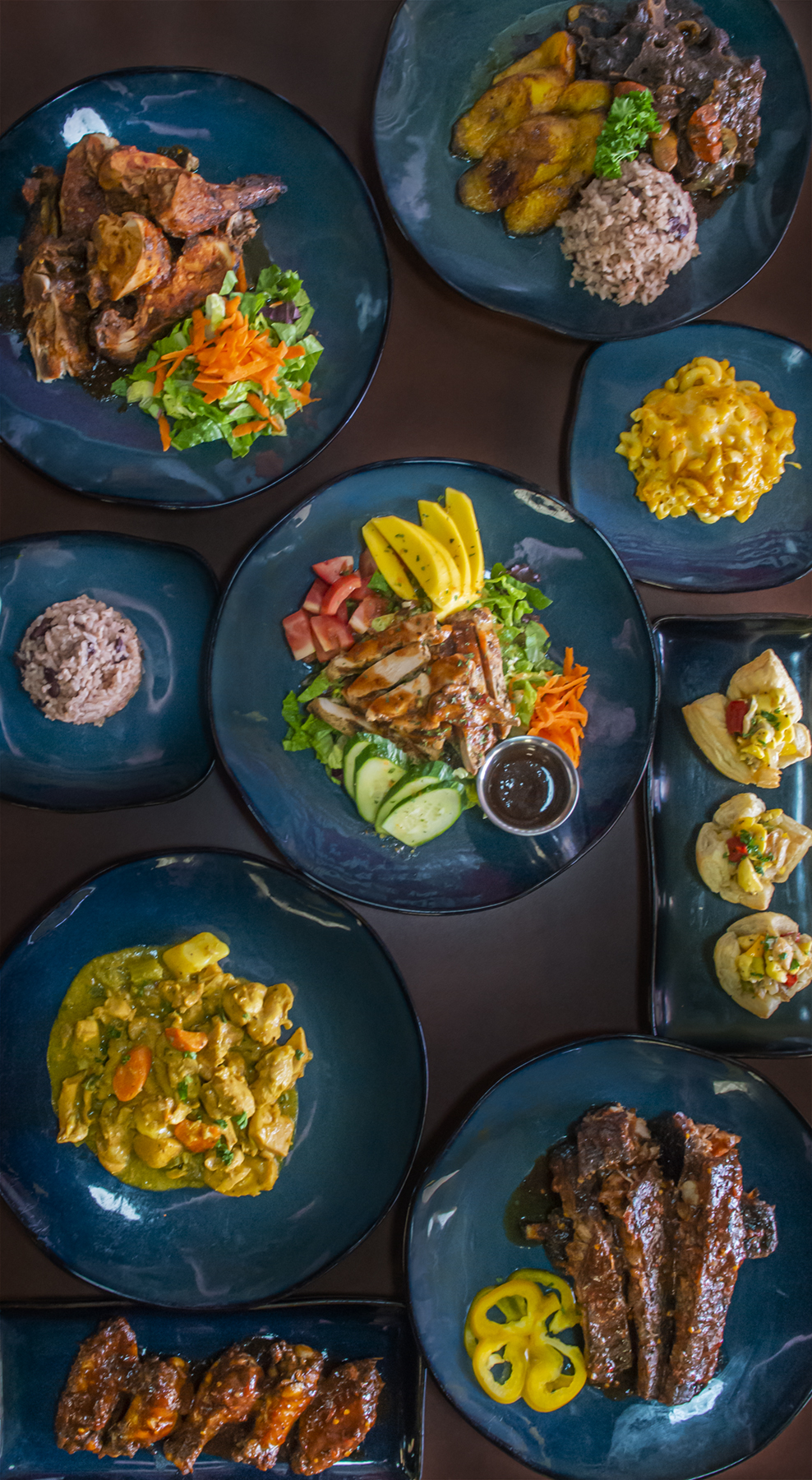
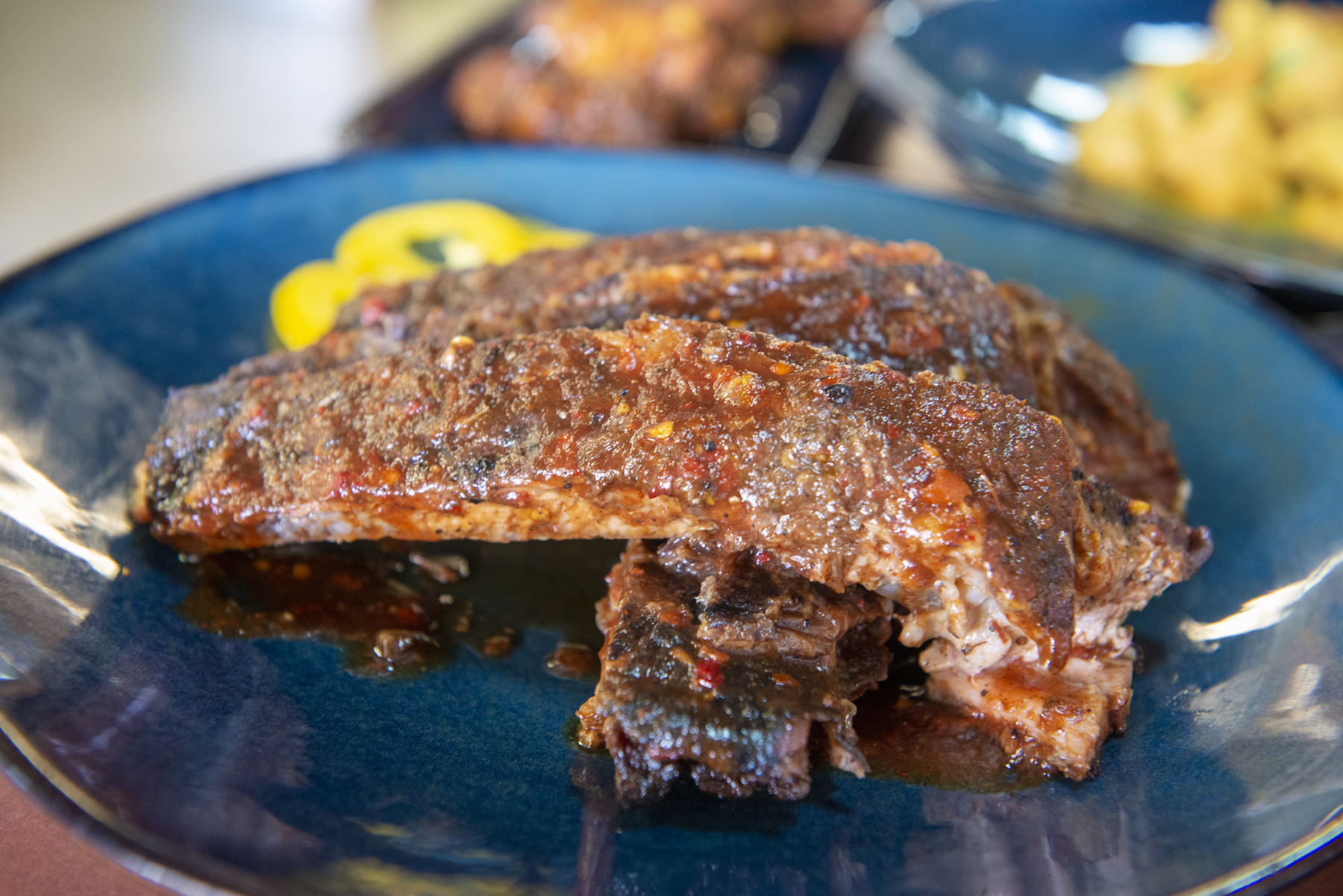
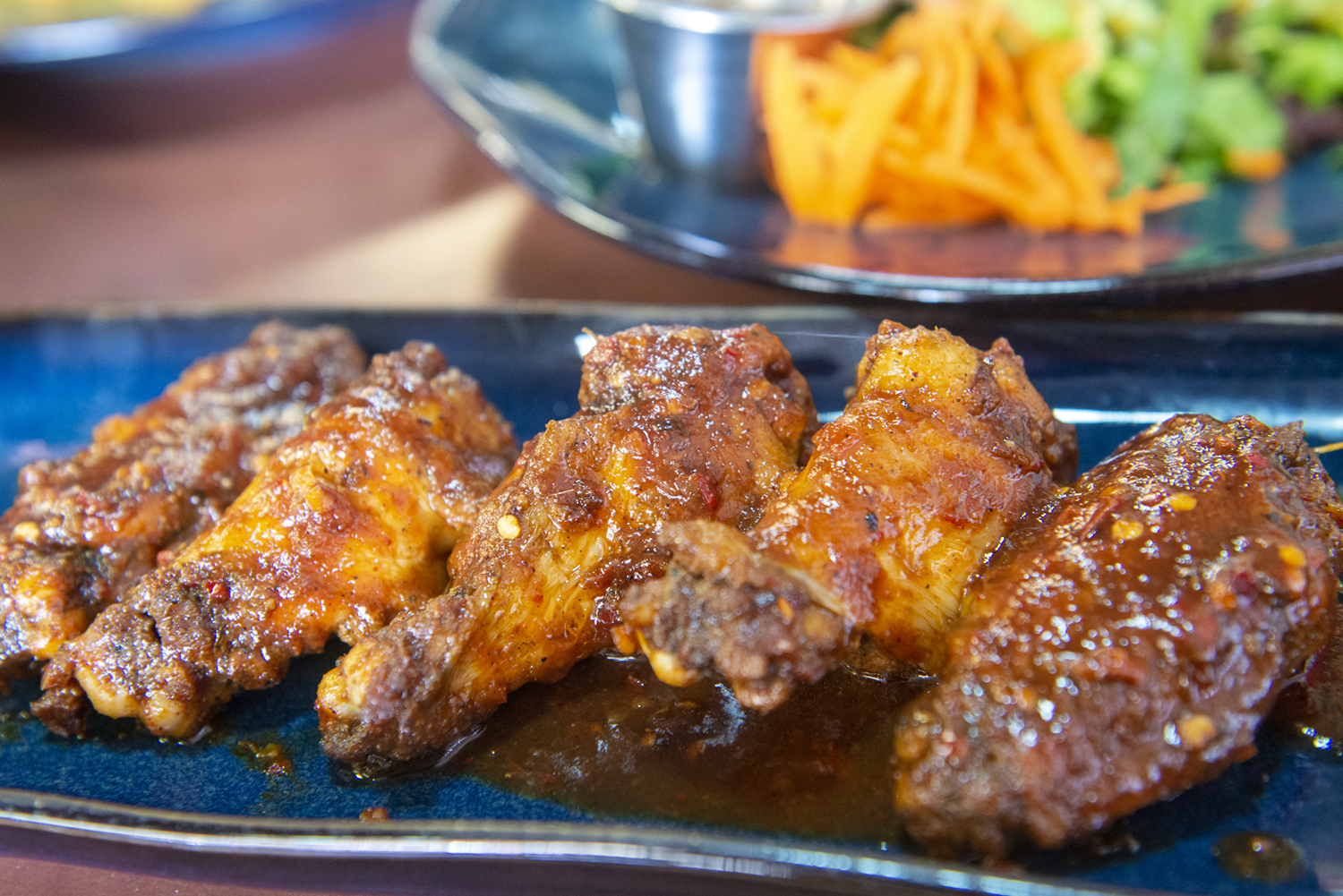
Denver is not the first American city people mention when they talk about Caribbean cooking, but that is part of what makes the local hunt so interesting. You do not stumble into great Jamaican food here on every block. You look for it. You ask around. You follow the scent of pimento, thyme, and smoke drifting from a grill in a strip mall parking lot. You pay attention to which places have regulars waiting patiently for curry goat, even when the line moves slowly.
That search has shaped the way many locals talk about Jamaican food Denver diners actually return for. The best meals tend to come from places that put flavor ahead of polish. Some are small takeout counters. Some are food trucks. Some are tucked into commercial corridors you might drive past without noticing. A few show up at festivals or weekend events, then disappear until the next pop-up. If you are used to cities with long-established Caribbean enclaves, Denver can feel scattered. Still, the quality is there if you know what to look for.
The most reliable answer to where Denver residents find the best Jamaican food is not a single address. It is a pattern. They find it in neighborhood spots that cook slowly, season assertively, and treat staples like rice and peas, cabbage, and plantains as essential parts of the plate, not filler. They find it by following word of mouth rather than glossy marketing. They find it in restaurants where the jerk has actual heat, the oxtail is properly tender, and the gravy tastes like somebody cared about the pot for hours.
What “best” means when people are talking about Jamaican food
Ask ten regulars what makes a Jamaican restaurant worth the trip and you will hear a few recurring themes. The chicken should not taste like generic barbecue with a little allspice sprinkled on top. The curry should carry depth, not just color. The sides need to hold their own. Even the patties, if the place offers them, should feel deliberate, with a crust that flakes rather than crumbles into dust.
Denver residents who know the category usually judge a spot by its fundamentals. Jerk is one test, but not the only one. A lot of restaurants can make a spicy marinade. Fewer can balance smoke, sweetness, herbaceousness, and the slow-building warmth that lingers after a bite. Oxtail is another test because it exposes shortcuts immediately. If the sauce is thin, the meat stringy, or the seasoning timid, people notice. Curry goat does the same thing. It should taste rounded and savory, with tenderness that comes from time rather than pressure-cooker haste.
Then there is the issue of consistency. In a city where some Caribbean businesses operate with lean staffing and unpredictable supply chains, consistency matters almost as much as brilliance. Denver diners tend to forgive a modest dining room or a limited menu. They are less forgiving when a beloved dish is excellent one week and strangely flat the next. The places that build loyal followings usually master a few things and keep them steady.
The neighborhoods and settings where the good stuff usually turns up
Great Jamaican food in Denver rarely arrives in the city’s most polished dining districts first. Residents often find it along commercial stretches where independent operators can still make the numbers work. East Colfax has long been one of those corridors, especially for cuisines that grow through community demand rather than trend cycles. Parts of Aurora, depending on how strictly you draw the metro line, also matter to this conversation because diners in Denver routinely cross city boundaries for food that is worth the drive. When people say a place is “in Denver” in casual conversation, they often mean the broader orbit where they actually eat.
Small shopping centers are common settings for Jamaican kitchens because they allow for strong takeout business. That matters more than many first-time visitors expect. Caribbean food travels well when packed properly. Rice and peas hold heat. Braised meats can taste even better after a few minutes in the container. Steamed cabbage remains fragrant. If a restaurant’s dining room feels basic, that is not necessarily a warning sign. In this category, a compact storefront with heavy takeout traffic can be more promising than a stylish room with a watered-down menu.
Food trucks and temporary pop-ups also play an outsized role in Denver’s Jamaican food scene. The city has a practical, outdoor-friendly dining culture, especially in warmer months, and that opens space for operators who may not want the overhead of a full brick-and-mortar location. Residents who care about authenticity often keep an eye on social media schedules, brewery collaborations, and festival calendars. Some of the strongest jerk chicken in the metro area shows up in these less permanent settings, where the cook can focus on a shorter menu and work directly from the grill.
Why the humblest places often deliver the best meals
There is a reason seasoned diners become suspicious when a Jamaican menu looks too broad or too sanitized. This cuisine rewards focus. A place that tries to be Jamaican, pan-Caribbean, soul food, seafood shack, smoothie bar, and brunch café all at once may still serve a good meal, but it has a harder path to excellence. The strongest spots in Denver usually center the dishes people come back for and build the menu around them.
You can often tell within a few minutes whether a kitchen has its priorities straight. Listen to the room. Are people coming in for specific orders by name, the way regulars do when they trust a place? Look at the pace of service. Slow is not always a problem if it reflects food being finished properly. Smell the air. Real jerk leaves a different impression than oven-roasted chicken tossed in sauce. It should smell smoky, peppery, and aromatic with spices rather than sugary or one-note.
Price can also be revealing, though not in the way people assume. Jamaican food requires labor, especially dishes like oxtail and curry goat. If those items seem improbably cheap, portion size or ingredient quality may explain why. Denver residents who eat this food regularly often prefer to pay a little more for a plate that feels complete and honest. Value is not the lowest price. Value is a generous serving of food that still tastes like somebody respected the tradition behind it.
The dishes locals use to judge a Jamaican kitchen
Jerk chicken gets all the attention, and fairly enough. It is usually the entry point for new customers. But if you want to understand why one Jamaican restaurant outperforms another in Denver, look beyond the obvious star. The plate as a whole tells the story.
A very good jerk plate has contrast. The outside should show char or at least strong caramelization. The inside should stay juicy. Heat should be present, but heat alone is not the goal. Scotch bonnet peppers matter, yet so do scallion, thyme, allspice, garlic, and the smoke that ties everything together. When the seasoning lands properly, each bite opens differently. First spice, then savory depth, then a little sweetness, then smoke.
Oxtail often separates decent spots from exceptional ones. Denver diners who grew up eating Jamaican food or spent time in places with stronger Caribbean communities tend to be exacting about this dish. The meat should collapse easily without turning mushy. The gravy should be silky and concentrated. Beans, when included, should not feel like an afterthought. A good oxtail plate can justify a longer drive and a higher check because it is hard to fake.
Curry goat requires similar care. The goat should taste like goat, not generic stewed meat drowned in curry powder. Texture matters. So does the shape of the spice profile. The best versions carry earthiness, warmth, and richness without becoming muddy. Rice and peas should absorb some of that sauce and still remain distinct.
Then there are the supporting players. Plantains tell you whether the kitchen respects sweetness and ripeness. Cabbage shows whether the cooks understand restraint, because overcooked cabbage turns limp and forgettable fast. Patties reveal pastry skill. Even a simple order of coco bread can hint at whether a restaurant bothers with the little things.
How Denver residents actually discover the standout spots
People rarely find the best Jamaican food in Denver by typing a phrase into a map app and choosing the highest-rated result. They find it through a chain of recommendations. A barber mentions a place near his shop. A coworker from Montego Bay insists one truck makes the best jerk on the east side. A brewery posts that a Caribbean vendor is setting up on Friday. Someone in line at a market tells you where they buy patties when they want the real thing.
That word-of-mouth culture exists partly because the city’s Jamaican and broader Caribbean food scene is still more intimate than in larger coastal metros. Reputation circulates quickly. So do warnings. If a place cuts corners, over-sugars the jerk, or serves dry chicken under the banner of authenticity, people notice and talk. On the other hand, when a cook gets it right, especially consistently, loyal customers become the marketing department.
This is why newcomers searching for jamaican food denver options should think less like tourists and more like regulars. The goal is not simply to locate a restaurant. It is to find the spots that have earned trust among the people who know what these dishes are supposed to taste like.
Timing matters more than most people expect
One thing Denver diners learn quickly is that Caribbean cooking does not always fit the expectations built by chain restaurants or high-volume fast casual spots. Some places sell out of key items. Some are strongest during lunch, when braises are freshest and turnover is highest. Others shine on weekends, when grills are going hard and the kitchen is fully staffed. If you show up late in the evening hoping for the entire menu, you may be disappointed.
That is not always bad news. Sold-out oxtail can be a sign of a place that cooks carefully and refuses to stretch the product beyond what it has prepared well. The practical move is to order earlier in the day if you want a signature item. Calling ahead helps. So does accepting that a restaurant can be excellent even if it does not operate with perfect logistical smoothness every hour of every day.
Service style also varies. Some Jamaican spots in Denver are deeply hospitable in a warm, conversational way. Others feel brisk and no-nonsense, especially when the kitchen is busy. Diners who understand the rhythm tend to do better. Know your order, be patient when a dish takes time, and judge the place by the plate rather than by whether it mimics mainstream full-service restaurant norms.
What separates authentic flavor from a watered-down version
Authenticity is a loaded word in food writing, and it can become lazy shorthand if used carelessly. Still, when Denver residents talk about whether Jamaican food feels authentic, they are usually responding to something specific. They mean the seasoning tastes grounded in Jamaican cooking rather than vaguely “island-inspired.” They mean the side dishes are treated seriously. They mean the food carries the weight, heat, and soul of the cuisine instead of sanding down every edge for timid palates.
That does not mean every dish has to be punishingly spicy. It means the flavors should be confident. A restaurant can adjust heat for customers while preserving the backbone of the recipe. Problems start when a kitchen strips away too much. Jerk without smoke and heat becomes grilled chicken with branding. Curry without depth becomes stew with yellow powder. Rice and peas made without enough coconut milk, thyme, or seasoning tastes like plain rice with beans mixed in.
The best Jamaican food Denver offers tends to avoid those traps. Even when a restaurant adapts to local tastes or ingredient realities, you can still sense the original intention. The food tastes anchored. It has memory in it.
The role of groceries, bakeries, and home-style cooking
Restaurants are only part of the story. For many residents, some of the most satisfying Jamaican flavors in the Denver area come through grocery stores, baked goods counters, and community events where home cooks or small vendors sell food in limited quantities. This is especially true for patties, spice buns, sauces, and occasional specialties that do not always appear on restaurant menus.
A Caribbean grocery can tell you a lot about the local food ecosystem. If there is shelf space for familiar seasonings, frozen products, and imported staples, there is likely a customer base cooking these dishes at home. That matters because restaurant scenes do not grow in isolation. They are supported by communities that shop, cook, celebrate, and gather around the cuisine. Some of Denver’s best Jamaican meals are probably eaten in private homes or at church and neighborhood events rather than in formal dining rooms.
For diners trying to get a fuller picture, these spaces are worth seeking out. Even if you do not leave with a hot plate, you will learn what ingredients and flavor profiles anchor the cuisine locally. You may also hear about weekend vendors or seasonal gatherings that never show up in conventional restaurant roundups.
Why Denver’s altitude and market realities shape the food
It is worth acknowledging a practical truth. Cooking in Denver is not the same as cooking in Kingston, Miami, or Brooklyn. Altitude changes timing. Ingredient sourcing varies. Freshness can depend on distribution chains that are not always built around Caribbean staples. None of that excuses weak food, but it does explain why operators here often have to adapt without compromising character.
Smoked and grilled items can require more vigilance in Denver’s dry climate to avoid losing moisture. Braises can demand careful calibration so they stay rich rather than reducing too aggressively. Produce quality shifts with season and supplier. Experienced cooks know how to compensate, but it is real work. When a local Jamaican kitchen serves balanced, vivid food under those conditions, that achievement deserves recognition.
Diners benefit from understanding those constraints because it sharpens expectations in a fair way. The best restaurant in a developing food scene may not look exactly like the best restaurant in a city with a much larger Caribbean population. What matters is whether it delivers integrity, flavor, and a sense of place despite the logistical headwinds.
How to order if it is your first serious Jamaican meal in Denver
If you are just starting to explore, order with enough range to understand the kitchen. Get one grilled item and one braised item if you can. Pair them with the classic sides. Share with someone if budget or appetite is a concern. That gives you a better read than ordering a single entrée in isolation.
Jerk chicken is the obvious baseline. Add either oxtail or curry goat if available. Make sure rice and peas are part of the order. Include plantains or cabbage, depending on what looks strongest coming out of the kitchen. If patties are in the case and seem fresh, they are worth trying, especially for a lower-commitment taste of the place.
Most important, do not judge the cuisine by a weak first order from the wrong restaurant. Denver has enough variation now that one disappointing plate should not close the case. The residents who rave about Jamaican food in this city are not imagining it. They have simply learned where to look, when to go, and which kitchens cook with conviction.
The real answer Denver residents give
When locals talk honestly about where to find the best Jamaican food, they usually do not describe a polished, obvious destination with universal name recognition. They describe https://beckettqaow678.bearsfanteamshop.com/denver-s-go-to-guide-for-jamaican-food a place that feels discovered. Somewhere with steam fogging the takeout window. Somewhere the jerk sells out. Somewhere the owner remembers who likes extra gravy. Somewhere you might wait longer than expected, then open the container in your car because the smell is impossible to ignore.
That is the texture of the search in Denver. It rewards patience, curiosity, and repeat visits. The city may never have the density of Jamaican restaurants you find in South Florida or New York, but that does not mean it lacks quality. It means excellence appears in pockets, often sustained by community rather than hype.
So where do Denver residents find the best Jamaican food? They find it in modest storefronts, food trucks, neighborhood recommendations, and kitchens that take pride in the old standards. They find it in places where the smoke is real, the curry is deep, and the sides matter. They find it by following flavor rather than trends, and by returning to the cooks who have earned their trust one plate at a time.
Reggae Pot Jamaican Grill
Address: 2243 S Monaco St Pkwy #104, Denver, CO 80222
Phone number: +17204102956
FAQ About Jamaican Food Denver
What is typical Jamaican food?
Typical Jamaican food features bold, vibrant flavors created by blending African, Taino, European, and Asian influences.
What is a famous Jamaican dish?
Ackee and saltfish is Jamaica's national dish, made by sautéing the soft local ackee fruit with salted cod, onions, tomatoes, and spicy Scotch bonnet peppers.
What food is most popular in Jamaica?
The most popular and famous food in Jamaica is Jerk Chicken, celebrated worldwide for its smoky, spicy flavor.