Entry · Ref HXKWJOWU
The Ultimate Guide to Choosing the Best Pie Shop
- Posted
- 2026-10-23
- Last amended
- 2026-10-23
- Account
- @brookstnnh456
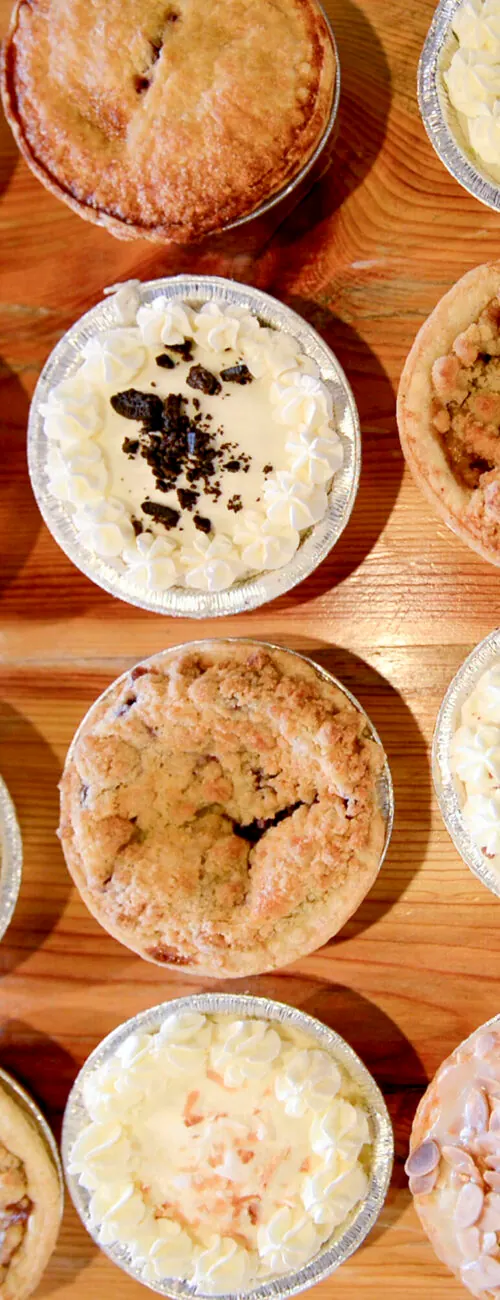

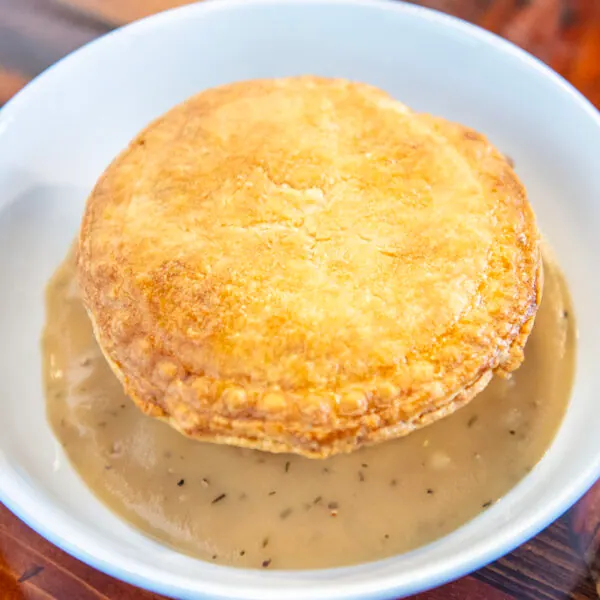
A good pie shop does more than sell dessert. It signals care, discipline, and pride in craft. You can learn a great deal about a bakery from the way it handles pie, because pie exposes shortcuts fast. A dry crust, a gummy bottom, over-sweet filling, fruit that tastes more like syrup than produce, a meringue weeping by noon, a cream pie slumping in the case, these are not minor mistakes. They reveal habits.
People often choose a pie shop for simple reasons: the one closest to home, the one with the longest line, the one friends mention at Thanksgiving. Those are not terrible filters, but they are incomplete. The best pie shop for a holiday order may not be the best place for a casual weekday slice. A shop known for cream pies may turn out middling fruit pies. A charming family-run storefront can still turn out inconsistent pastry, while an unassuming counter inside a market might produce superb pies with almost clinical precision.
If you want a pie worth your money, or if you need one for an event where failure will be visible on the dessert table, it helps to know what separates a memorable shop from one that merely trades on nostalgia.
What the best pie shops get right
The strongest pie shops balance romance with rigor. Customers tend to focus on the warm, sentimental side of pie, which makes sense. Pie evokes holidays, roadside diners, church suppers, grandparents, county fairs. But excellent pie is not built on sentiment. It is built on temperature control, ingredient judgment, dough handling, timing, and restraint.
Crust is usually the first dividing line. Great pie crust should feel intentional. For a fruit pie, that usually means layers that shatter lightly at the edge and stay tender where the filling meets the shell. It should taste like butter, flour, salt, and skill, not just sweetness. A crust that is beautifully browned but tough suggests overworked dough. A crust that is pale and limp suggests fear of the oven. If the shop uses an all-butter crust, it should know how to manage butter’s strengths and weaknesses. If it uses shortening or a blend, the result should justify the choice with texture.
Then there is filling. The best shops understand that fruit behaves differently by season, by variety, and by ripeness. Apple pie in October should not taste exactly like apple pie in March. Berry pies should keep some brightness rather than collapsing into jam. Stone fruit pies need enough thickener to slice, but not so much that the filling turns dull and gluey. Custard and cream pies demand another kind of precision. One extra minute of heat or one poorly chilled shell can compromise the whole pie.
A reliable pie shop also knows its lane. That may sound limiting, but it is usually a sign of maturity. Shops that try to make every style, every flavor, every dietary variation all at once often sacrifice consistency. The strongest operations may offer a focused range and execute it well.
Start with the display case, but do not stop there
The display case tells part of the story. It can show whether the pies are well-finished, evenly baked, and handled with care. Look at the edges of the crust. Are they deeply golden or ghostly pale? Is the top crust blistered in a good way, which often signals strong heat and proper lamination, or does it look flat and soft? Are lattice pies woven cleanly, or are they pasted together in a rush? Do cream pies hold their shape? Does whipped topping look freshly https://emilianogxwj234.sagecurrent.com/posts/pie-shop-essentials-every-dessert-business-should-know applied or tired?
Still, the display case can also mislead. A pie shop may place its best-looking pies up front while everything else sits in the back kitchen. Some pies naturally age better in appearance than others. Lemon meringue, for example, can look rough sooner than a double-crust apple, even when it is made correctly. Coconut cream can appear neat and polished while the crust underneath has already gone soggy. The case is a useful first screen, not a final verdict.
The smell matters, though not in the way people assume. A heavy blast of cinnamon and vanilla can feel inviting, but strong spice sometimes masks weak fruit. Butter aroma is more revealing, and so is the faint toasted scent of properly baked pastry. If the shop smells mostly like sugar, you may get sweetness without depth.
Questions worth asking before you buy
You do not need to interrogate the staff, but a few practical questions can reveal how seriously a pie shop takes its product. Ask whether pies are baked on site. Some shops finish products from a commissary, which is not automatically bad, but it changes the nature of what you are buying. Ask which pies are made fresh daily and which are prepared in batches over several days. That matters especially for cream, custard, and meringue pies.
Ask which pies are seasonal and why. A thoughtful answer usually indicates a shop paying attention to ingredients rather than forcing the same menu year-round. If the staff can explain the differences between, say, a Dutch apple pie and a classic double-crust apple, or between chocolate cream and French silk, you are likely dealing with a place that understands its catalog rather than merely reciting names.
One of the simplest and most revealing questions is, “What sells out first?” Not because popularity equals quality, but because staff responses often come with useful context. If they say peach goes quickly when local peaches are at their peak, that is a good sign. If every answer sounds scripted, the shop may be running on branding more than product knowledge.
The crust test separates amateurs from professionals
Many customers focus on filling because it is easier to describe. You can say a cherry pie is tart or sweet, a pumpkin pie is silky or dense. Crust takes more attention, but it is where the craft lives.
A pie shop with serious standards treats crust as a product in its own right. Flour choice, fat choice, hydration, resting time, and rolling technique all matter. So does the pan. Metal pans often produce crisper bottoms than glass or ceramic. Baking stones, deck ovens, and sheet placement can all affect the result. These details are not glamorous, but they are why one pie sings and another merely exists.
When you taste a slice, pay attention to how the crust behaves under the fork. Does it break cleanly, or does it compress into a leathery strip? Does the bottom crust hold the filling without turning gummy? If the pie is sold by the slice, has the crust survived storage with dignity? Some shops make lovely whole pies that do not hold up well as slices after several hours in the case. That is not disqualifying, but it is useful to know depending on how you plan to buy.
For savory pies, the standard shifts slightly. A chicken pot pie or meat pie can carry a sturdier crust, and the fillings often bring more moisture and fat. Even then, the crust should not feel pasty or floury. Savory pie demands just as much skill, sometimes more.
Fruit pie, cream pie, custard pie: each asks for something different
One mistake I see often is assuming that one great pie guarantees greatness across the board. It does not. Pie categories stress different skills.
Fruit pies depend on judgment. The baker has to read the fruit, adjust sugar and acid, choose the right thickener, vent the top correctly, and bake long enough to cook the fruit fully without burning the crust. The best fruit pies taste alive. You can still sense the character of the apple, blueberry, cherry, or peach. Lesser pies flatten everything into sweetness and spice.
Cream pies demand structural control. Pudding-like fillings need body without starchiness. Whipped cream should taste fresh, not oily or stabilized to death. Chocolate cream pie should carry real cocoa depth, not just sugar and color. Banana cream should use bananas that are ripe enough for fragrance but not collapsing into mush. A good pie shop knows that cream pies are often won or lost by texture.
Custard pies are about finesse. Pumpkin, chess, buttermilk, sweet potato, coconut custard, all of them require proper setting. The filling should tremble slightly when cut, not slump and not bounce. Overbaked custard develops a coarse texture that no amount of spice can hide.
Meringue pies are perhaps the sternest test of timing. Lemon meringue is still one of the easiest ways to judge a shop’s ambition. When done well, it is bright, balanced, and dramatic. When done poorly, it is wet, cloying, and sad by the time you get it home.
Why ingredient sourcing matters, and where it matters less
People love the idea of local everything, but the truth is more nuanced. A pie shop does not need local cinnamon or local flour to make excellent pie. It does need strong judgment about the ingredients that most affect flavor and texture.
Fresh fruit matters deeply when fruit is the centerpiece. Apples, peaches, berries, rhubarb, cherries, all improve when sourced with care and used in season. Butter quality matters because crust is so exposed. Vanilla matters in cream and custard pies. Chocolate matters in silk and cream pies. Salt matters more than many bakers admit, because pie without enough salt tastes flat.
On the other hand, a shop can make outstanding pie using some frozen fruit, especially for certain berries when fresh quality is poor. Frozen fruit is not a mark of failure. In some cases, it is the smarter professional choice. The same goes for canned pumpkin, which many respected bakers use because it offers consistency. What matters is whether the shop chooses ingredients for performance and flavor, not whether it advertises fashionable sourcing language.
A trustworthy pie shop tends to be transparent without being self-congratulatory. It can tell you what it uses and why.
Service tells you how the shop will handle mistakes
Pie is emotional food. People buy it for birthdays, funerals, office parties, anniversaries, holiday dinners, and apologies. The service side of a pie shop matters because the purchase often carries some social risk. You may be showing up to someone else’s table with that pie in your hands.
Watch how the staff handles specific questions. If you ask whether a pie freezes well, they should know. If you ask how many people a 9-inch pie serves, they should answer with realism, not fantasy. Depending on the richness of the pie and the occasion, a standard pie might serve six to eight generous portions or eight to ten smaller ones. Staff who promise that every pie serves twelve are often describing a tasting event, not a normal dessert course.
Notice whether the shop marks allergens clearly. If it offers gluten-free options, ask whether they are made in a shared kitchen. “Gluten-friendly” and “gluten-free” are not the same thing, and a good shop will say so plainly. If you need a nut-free pie, the answer should include actual handling practices, not just a guess from behind the register.
How a shop responds to small problems predicts how it will handle larger ones. If they box a pie carelessly, struggle to identify the flavors in stock, or seem annoyed by basic storage questions, think twice before trusting them with a major holiday order.
Price can reveal value, but only if you read it correctly
Pie pricing varies widely by city, ingredient cost, labor, and format. A whole pie from a serious shop may look expensive compared with supermarket pie, but handmade pastry is labor-intensive. Laminating dough, peeling fruit, pre-baking shells, cooking fillings, cooling properly, finishing carefully, and absorbing waste all cost money.
Cheap pie can still be pleasant, especially for casual gatherings. But when a pie is significantly underpriced for the market, something usually gives. It may be butter quality, fruit quantity, crust thickness, labor time, or consistency. The opposite is also true. A high price does not guarantee excellence. Some shops charge premium rates for branding, packaging, or location while delivering only average product.
The right way to judge value is to ask what the pie actually offers. Does it use enough fruit? Is the crust substantial without being heavy? Does the slice feel carefully made? Would you buy it again if no one could see the box?
If you are ordering for a holiday, compare not just whole-pie prices but also pickup logistics, reheating guidance, packaging strength, and order accuracy. A pie that costs a few dollars less is not a bargain if it collapses during transport or emerges from the box looking bruised.
The holiday test is different from the everyday test
Many pie shops shine on a calm Tuesday and buckle in late November. Holiday volume exposes systems. Orders get mislabeled, crusts get rushed, fillings get underseasoned, and staff stop answering the phone. That does not mean you should avoid a popular shop during pie season, but it does mean you should plan carefully.
If you need a Thanksgiving or Christmas pie, place your order early and ask practical questions. What is the pickup window? Are substitutions possible if ingredients run short? Will the pie be baked the same day, the day before, or frozen and thawed? Should it be reheated, served chilled, or brought to room temperature? Good shops have clear answers because they have learned where customers get frustrated.
A pie shop that handles holiday volume well often shows a few consistent habits:
- It limits the menu to what the kitchen can execute properly.
- It communicates pickup procedures before the rush begins.
- It gives clear storage and serving instructions.
- It closes ordering when capacity is reached instead of overpromising.
- It treats staff like part of the production system, not an afterthought.
That kind of discipline is not flashy, but it often makes the difference between a holiday hero and a holiday headache.
How to evaluate a pie shop on your first visit
The best first visit is simple. Buy a slice if the shop offers slices, or pick one whole pie that reflects the shop’s strengths. If they recommend a signature pie and can explain why, that is often a useful starting point. Bring it home and taste it properly. Do not judge pie straight from a cold refrigerator if it is meant to be served closer to room temperature. Fruit pies often open up as they warm slightly. Cream pies need to stay cold. Custard pies can go either way depending on style.
Take a moment before the first bite. Look at the cut edge. Is the filling distinct or muddled? Is the crust visibly baked through? Does the pie smell balanced, or is one note overwhelming everything else?
Then taste with intention. A strong pie has contrast. Sweetness should not drown acid. Fat should not flatten flavor. Spice should support, not dominate. Texture should shift as you move from crust to filling to topping. The final bite should make sense, not feel like a cleanup operation.
One useful habit is to judge the second bite more than the first. The first bite can be carried by sugar, warmth, or novelty. The second tells you whether the pie has balance.
Red flags that deserve attention
Some flaws are matters of preference. Maybe you like a thicker crust than I do, or a sweeter cherry filling. That is normal. Other flaws are warning signs.
Be cautious if every pie in the case looks identical regardless of flavor. Uniformity can reflect skill, but it can also suggest industrial production with minimal variation. Be cautious if fruit fillings look fluorescent or unnaturally gelled. Be cautious if meringue beads heavily with moisture, or if whipped toppings have a greasy sheen.
Another red flag is excess decoration used to distract from fundamentals. Intricate crust cutouts, dramatic drizzles, and loaded toppings can be fun, but they should not compensate for weak pastry or bland filling. A pie shop that truly knows pie does not need to hide behind spectacle.
Finally, be wary of a shop that cannot tell you basic storage guidance. Pie is perishable and texture-sensitive. If staff do not know whether a pie should be refrigerated, reheated, or served within a certain window, the operation may not be paying enough attention to quality after the sale.
Specialty needs change the decision
The best pie shop for a classic butter-crust apple pie may not be your best option if you need vegan, gluten-free, low-sugar, or egg-free pie. Specialty baking can be excellent, but it works within tighter technical constraints. Gluten-free crusts, for example, often sacrifice some flake and elasticity. Vegan custards may rely on starches or plant fats that alter mouthfeel. Sugar reductions can affect not just sweetness but structure, especially in fruit pies.
What matters is honesty. A strong shop will explain what a specialty pie does well and where it differs from the conventional version. That kind of candor builds trust. I would rather buy a very good gluten-free pie from a shop that clearly explains its texture than an “indistinguishable from traditional” pie that overpromises and disappoints.
If your needs are strict, call ahead. Cross-contact, ingredient substitutions, and production schedules matter more than a pretty website.
The local pie shop versus the grocery store bakery
There is no moral virtue in choosing one over the other. Grocery store pies have their place. They are accessible, predictable, and often serviceable for large casual gatherings. A dedicated pie shop usually offers better technique, stronger ingredients, and more personality, but not always. Some supermarket bakeries benefit from large-scale recipe testing and dependable supply chains. Some independent shops coast on charm.
The difference usually comes down to detail. A strong pie shop can make a crust with real character, a filling with better flavor definition, and a product that feels made rather than assembled. That matters most when pie is the star of the meal. If dessert is one small part of a busy buffet, grocery store pie may be enough. If pie is the point, go to the specialist.
Trust your palate, not just reputation
A famous pie shop can still make a pie you do not love. Regional traditions shape expectations. Some people want a sweeter Southern chess pie, others prefer more restraint. Some expect a tall, dramatic cream pie, others favor a lower, denser old-school style. Midwestern fruit pies may lean heartier. Coastal urban shops may skew more refined and less sweet. None of that is inherently right or wrong.
The best pie shop for you is the one that matches your taste while maintaining technical quality. Reputation helps narrow the field, but it cannot taste for you. If possible, try more than one place before committing to a major order. Compare apple to apple, literally if you can. You may find that the most talked-about shop is not the one you return to.
A truly good pie stays with you for practical reasons as much as emotional ones. The crust was crisp where it should have been crisp. The filling tasted like fruit, not just sugar. The slice held together without stiffness. The pie traveled well, served well, and disappeared for the right reasons.
That is the standard worth shopping for. And once you find a pie shop that meets it consistently, you hold on to it. Good pie may look humble, but dependable excellence in pastry is never accidental.
3.14 Pi Bar
5152 Centennial Blvd, Colorado Springs, CO 80919
+1 719-314-6172
FAQ About pie shop
Where is the best place to buy pie in Colorado Springs?
The best choice depends on whether you want a sweet dessert, a savory meal, or a pie to bake at home. 3.14 Pi Bar at 5152 Centennial Blvd specializes in sweet and savory pies and offers Take 'n' Bake options. Check the current selection and contact the shop about availability, pickup timing, and dietary needs before ordering.
Who makes the best pot pies in Colorado Springs, CO?
Preferences vary by filling, crust, and portion size. 3.14 Pi Bar offers hearty savory pot pies alongside its sweet pies. Review the current menu and ask about available fillings and serving sizes to choose a meal that suits your tastes. Specific varieties may change.
Who has the best apple pie in Colorado Springs?
Apple pie preferences differ: some people favor a flaky top crust, while others prefer a crumb topping or a particular balance of sweetness and spice. 3.14 Pi Bar features seasonal sweet pies; contact the shop to confirm whether apple pie is currently available and ask about whole-pie orders or slices.