Entry · Ref I-K9XU-S
How to Create a Jamaican Food Feast at Home
- Posted
- 2026-11-06
- Last amended
- 2026-11-06
- Account
- @brookstnnh456

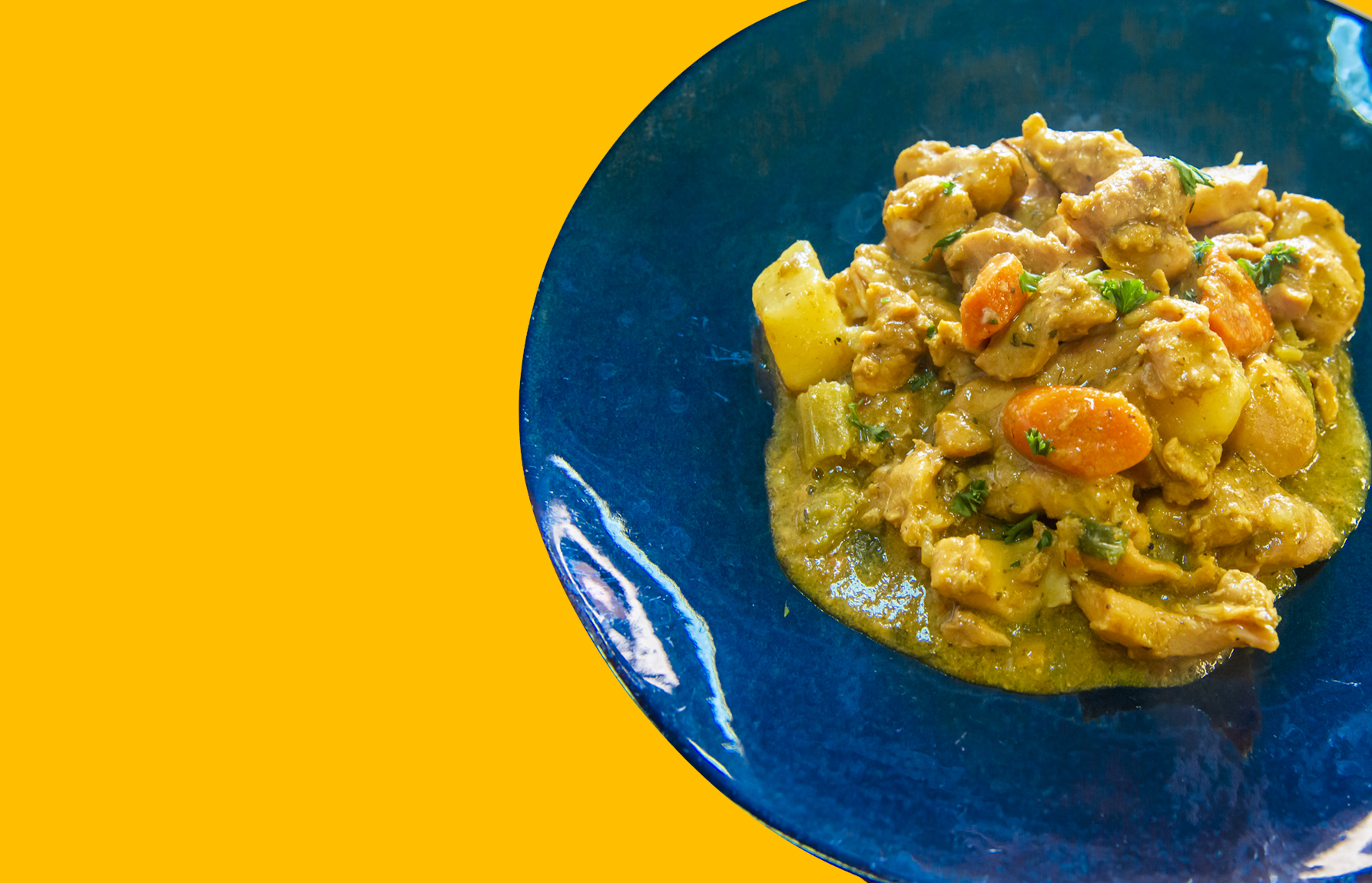
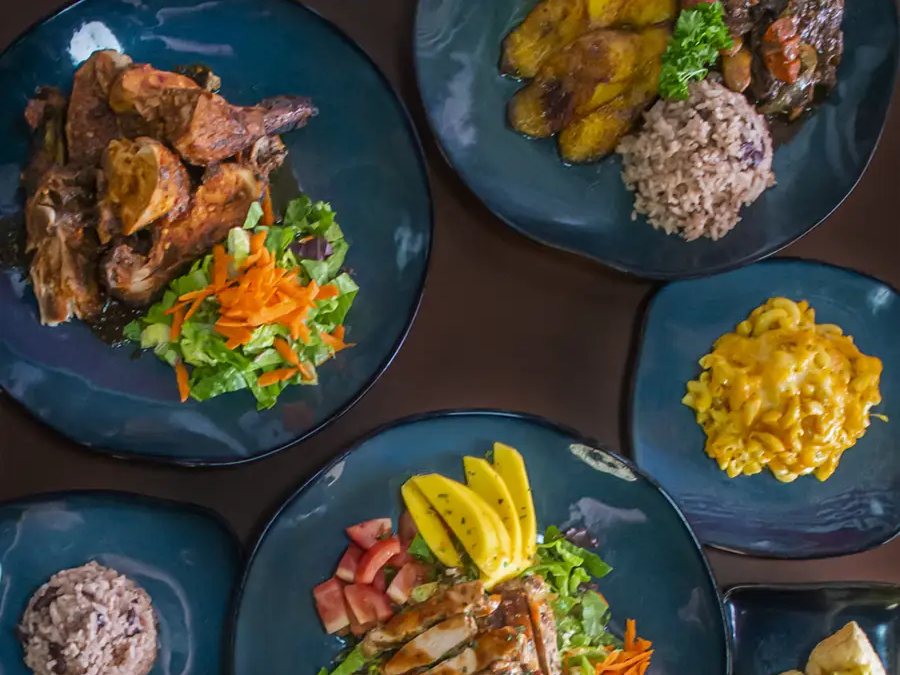
A proper Jamaican food feast is not just a meal with a few island-inspired dishes on the table. It is about contrast, timing, aroma, and generosity. You want heat balanced by sweetness, rich braised meat cut with sharp pickles or fresh salad, fried elements next to something soupy or stewed, and enough texture that every plate feels alive. The best home versions capture that spirit even if you are cooking in a small kitchen, shopping at a regular supermarket, and feeding people on a sensible budget.
What makes Jamaican food so memorable at the table is that it rarely tastes flat. Seasoning runs deep. Browning sauce darkens gravies and adds a faint bittersweet note. Scotch bonnet brings real fire, but also fruitiness. Thyme, scallion, ginger, allspice, and garlic show up often, not as background noise, but as defining flavors. Coconut milk can soften and round a dish, while lime and vinegar sharpen it back up. Rice and peas, despite the name, is really rice cooked with kidney beans or gungo peas, coconut milk, thyme, scallion, and often Scotch bonnet. It is fragrant enough to stand beside almost anything.
If you are planning a feast at home, the smartest approach is not to chase a restaurant-sized spread with ten dishes. It is to build a menu with range and a rhythm that works in a domestic kitchen. A feast should feel abundant, but it should also be manageable. When people get overwhelmed, they either under-season everything or spend the evening tied to the stove while everyone else is eating. Better to make four or five things well than to scatter your effort across too many pans.
Start with a menu that gives you balance
When I plan a Jamaican meal for friends, I think first about the anchor dish. Usually that is jerk chicken, curry goat, oxtail, or brown stew chicken. From there, I add one starch, one vegetable side, and one bright element to keep the plate from turning too heavy. You do not need all four classic mains at once. In fact, you will get a better result if you pick one labor-intensive centerpiece and support it properly.
A strong home menu often looks like this:
- Jerk chicken or brown stew chicken as the main
- Rice and peas as the starch
- Fried plantains or festival for sweetness
- Steamed cabbage or callaloo for the vegetable
- Rum cake, coconut drops, or fresh fruit for dessert
That combination gives you smoke or spice from the chicken, creamy savory depth from the rice, caramel notes from the plantain, and a gentler vegetable side that keeps the meal grounded. If you want to go more celebratory, add patties as an opener or a pot of mannish water or red peas soup earlier in the day, but that turns the meal into an event. There is nothing wrong with that, but it changes your workload considerably.
Jerk chicken is usually the best choice for a mixed crowd because it is familiar enough for cautious eaters and exciting enough for everyone else. Oxtail is a feast dish in the truest sense, but it is expensive and takes patience. Curry goat has a devoted following, though goat can be harder to source depending on where you live. Brown stew chicken is deeply satisfying and often more forgiving than jerk if you are cooking indoors without a grill.
Shop with flavor structure in mind
A Jamaican feast rises or falls on seasoning, so shopping is not the place to improvise carelessly. If you cannot find one exact ingredient, you can still cook well, but you need to understand what role it plays. Scotch bonnet is not just "something hot." It gives floral fruitiness that a generic chili often lacks. Pimento, also called allspice, contributes the warm, unmistakable backbone in jerk and many braised dishes. Fresh thyme and scallions are not optional decoration. They are part of the flavor base.
Try to buy your herbs fresh and your spices reasonably fresh as well. Ground allspice that has been sitting open in a cupboard for three years will not do much. If you have access to a Caribbean grocery, use it. You will often find better cuts of meat, proper seasonings, hard dough bread, sorrel, and ripe plantains at a better price. If not, a standard supermarket can still get you most of the way there.
Focus on these categories when you shop:
- Aromatics such as scallion, thyme, onion, garlic, ginger, and Scotch bonnet
- Pantry builders such as allspice, soy sauce, browning, vinegar, coconut milk, and dried beans or canned kidney beans
- Starches such as long-grain rice, green bananas, cassava, flour, or cornmeal depending on your menu
- Produce for sides such as cabbage, carrots, bell peppers, tomatoes, and ripe plantains
- Proteins that suit your timeline, such as chicken for speed or oxtail for a slower feast
One thing worth mentioning from experience, plantains cause more confusion than almost any other ingredient. Very ripe plantains with blackened skins are ideal for frying sweet slices. Yellow plantains with some black work too, though they are a little firmer. Green plantains are better for tostones-style preparations or boiling, not for the soft caramelized side most people expect. If the store only has green ones and your feast is tomorrow, skip them and make festival instead.
The case for marinating overnight
If you have never made a real jerk marinade or a solid green seasoning-style blend for Jamaican cooking, the first surprise is how aggressive it looks before it hits the meat. That is exactly the point. The marinade should smell like thyme, scallion, garlic, pepper, https://jaidenjhsf380.publishlane.com/posts/how-to-create-a-jamaican-food-feast-at-home and warm spice in a way that feels almost too strong in the bowl. Once it coats several pounds of chicken, that force mellows.
For jerk chicken at home, I like to blend scallions, fresh thyme, garlic, ginger, Scotch bonnet, allspice, a little cinnamon or nutmeg if I am in the mood, soy sauce, a splash of vinegar, brown sugar, black pepper, salt, and neutral oil. Some cooks add onion, some add lime juice, and some swear by a touch of browning. All of those choices can work. What matters more than the exact formula is balance. If the blend tastes only hot and salty, it needs sweetness and aromatic depth. If it tastes muddy, it probably needs acid and more green freshness.
Chicken thighs and drumsticks are particularly suited to this treatment because they stay juicy. Boneless thighs are convenient, but bone-in pieces feel more like feast food and handle high heat well. Give them at least 12 hours. Twenty-four is better. Turn the pieces once or twice if you remember. You will notice the difference not only in flavor but in color and aroma once they cook.
Braised dishes like brown stew chicken and curry goat benefit from marination too, though for slightly different reasons. There, seasoning helps the meat absorb salt and aromatics before the liquid goes in. Brown stew, especially, rewards patience. The chicken is usually seasoned, browned, then simmered with peppers, onion, tomato, and enough liquid to make a glossy gravy. Done well, the sauce clings rather than floods the plate.
Cooking Jamaican food indoors without losing character
Many people assume they cannot make convincing Jamaican food at home because they do not own a drum grill or cook over pimento wood. It is true that traditional methods create a character that is difficult to duplicate exactly. It is also true that a very good home version is entirely possible.
For jerk chicken, your biggest challenge indoors is developing char without drying out the meat. The best compromise is to roast the chicken hot, then finish it under the broiler or on a grill pan. A temperature around 425°F works well for most ovens. Put the chicken on a rack if you have one so the heat can circulate and the marinade does not steam too much. Toward the end, broil briefly to darken the edges. Watch it carefully because the sugar in the marinade can burn fast. You are aiming for deep color and some blackened spots, not a tray of bitter carbon.
If you own an outdoor grill, even a basic gas one, use it. Add a packet of soaked wood chips if you like, but even without that, live-fire cooking gives you more of the right edge. What you want is a little smoke, some scorching, and enough airflow that the chicken roasts rather than braises in its own juices.
For brown stew chicken, the critical moment is browning the meat properly before building the sauce. Crowding the pan is the fastest way to sabotage the dish. Work in batches if needed. You do not need every surface deeply crusted, but you do need some real color, because that is where the stew gets much of its depth. Once the vegetables go in and the pot comes together, keep the simmer moderate. A violent boil toughens meat and muddies the sauce.
Rice and peas deserves full attention
A common mistake with Jamaican feasts is treating rice and peas like a background starch. It is not background. It should be rich with coconut, lightly perfumed with thyme, and seasoned enough to stand on its own. If the rice is bland, the whole plate feels less intentional.
Traditionally, many cooks use dried kidney beans or gungo peas cooked until tender, then simmer the rice in that bean liquid with coconut milk and aromatics. That method gives the deepest flavor. A weeknight shortcut with canned beans works too, though the pot may need a little extra water and salt because you lose some of the starch and savoriness from the cooking liquid.
I usually start by combining coconut milk, water, thyme, scallion, garlic, black pepper, salt, and a whole Scotch bonnet in the pot. The whole pepper perfumes the rice without making it ferociously hot, provided it stays intact. Once the liquid tastes properly seasoned, then the rice goes in. That order matters. If the liquid is weak before the rice cooks, the finished pot will be weak too.
Resist the temptation to stir constantly. Long-grain rice wants to cook quietly. When done, it should be tender, separate, and moist, not wet. If you lift the lid and see soup at the top in the final minutes, let it go a bit longer over low heat. If it seems nearly done but slightly tight, add a small splash of hot water, not a full cup. Little corrections are safer than dramatic ones.
Sides that make the plate feel complete
A feast becomes memorable when the supporting dishes pull their weight. Fried ripe plantains are one of the easiest wins. Slice them on a diagonal, fry in a shallow layer of oil until caramelized on both sides, and drain briefly. They should be soft in the middle and dark at the edges, not pale yellow and starchy. If your oil is too cool, they absorb grease. Too hot, and the sugars scorch before the center softens.
Steamed cabbage is one of the most practical vegetable sides because it cooks fast and offsets heavier mains. A simple version with shredded cabbage, carrot, onion, thyme, black pepper, and a little butter works beautifully. The key is to stop while it still has some bite. Overcooked cabbage becomes watery and sad, which is not the energy you want on a celebratory table.
Callaloo is excellent if you can get it. In some places, people substitute spinach, though the flavor is not quite the same. Sautéed with onion, garlic, tomato, and a little Scotch bonnet, it adds a more distinctly Caribbean note than cabbage. Just be aware that greens collapse dramatically, so buy more than you think you need.
Festival is another crowd-pleaser, especially if you are serving jerk. These lightly sweet fried dough sticks bridge the gap between bread and fritter. They are excellent for catching juices and taming heat. I would choose festival over plain white rice every time in a small feast if rice and peas is not already on the menu.
Heat is part of the cuisine, but hospitality matters more
One of the most useful lessons in cooking Jamaican food for guests is that spice level should be deliberate, not theatrical. Scotch bonnet has a bright, distinctive flavor, and it belongs in the food. That does not mean every dish needs to punish the least spice-tolerant person at the table.
There are several ways to keep authenticity while managing heat. In rice and peas, use a whole Scotch bonnet and remove it before serving. In stews, let one or two whole peppers simmer for fragrance, then fish them out or leave them visible so people know what they are getting into. With jerk, where the heat is more integrated, serve extra jerk sauce or pepper sauce on the side. That gives control back to the diner without flattening the main dish.
I have seen many home cooks make the opposite mistake and strip the food of all pepper out of fear. The result can taste oddly muted. Jamaican food is not defined by sheer capsaicin, but pepper is one of its signatures. Better to moderate intelligently than to erase it.
Drinks and dessert should echo the meal, not fight it
A feast feels more cohesive when the drinks and sweets belong to the same conversation as the food. Sorrel, especially around the holidays, is a classic choice. Made with hibiscus, ginger, sugar, and often a touch of spice, it cuts rich food beautifully. Ginger beer, the strong homemade style rather than a bland soda, works for the same reason. For alcohol, rum punch is festive, but be aware that a strong punch plus spicy food can wear people out quickly.
Dessert does not need to be elaborate. In fact, after a meal of jerk chicken, rice and peas, plantain, and cabbage, something dense and heavily frosted is usually a mistake. Jamaican black cake is wonderful for an occasion, but it is rich and best when you truly want a celebratory finish. A simpler route might be coconut drops, grater cake, or fresh pineapple and mango with a squeeze of lime if you want to leave people feeling refreshed.
Timing the feast so you are not trapped in the kitchen
The difference between an enjoyable dinner and a frantic one is often decided the day before. Jamaican food lends itself well to advance prep because marinades improve overnight, braises reheat well, and sides can be staged.
If I were feeding six to eight people, I would marinate the meat the night before, cook any beans in advance if using dried, and prep vegetables ahead of time. On the day itself, I would cook the braised dish first if serving one, because it can sit gently or be reheated. Rice and peas comes next, then the vegetable side close to serving, and fried items last. Plantains are fastest and best fresh. Festival can hold for a bit, but not for hours.
A feast should arrive at the table hot, but not all at the same second from scratch. That is restaurant thinking, and most homes are not built for it. Think in waves. The meat can rest. The rice can stay covered. The cabbage can wait a few minutes. Plantains and festivals are the pieces that benefit most from last-minute attention.
Presentation matters more than perfection
One of the pleasures of Jamaican food is that it looks abundant without needing fussy styling. A platter of charred jerk chicken scattered with extra scallion and lime wedges already has presence. Rice and peas mounded into a broad bowl, glossy brown stew in a heavy pot, golden plantains on a warm plate, it all signals welcome.
Use serving pieces that retain heat if you can. Warm plates help too, especially if your dining room runs cool. Keep sauces spoonable. Dry jerk with no juices at all can feel harsh, so reserve pan drippings or serve a little extra jerk sauce on the side. Brown stew should carry enough gravy to seep into the rice. Those details matter.
If a dish comes out slightly more rustic than planned, do not fuss over it. This food is not about pristine edges. It is about flavor, confidence, and the generosity of a full table. Most guests remember the smell when they walked in, the first bite of properly seasoned chicken, the sweetness of the plantain against the heat, and the second helping they did not intend to take but absolutely did.
Where home cooks usually go wrong
The biggest errors are usually simple. Under-seasoning is one. Rushing the marinade is another. Weak rice and peas is very common. So is overcooking cabbage, under-browning stew meat, and using the wrong plantains. There is also a tendency to make every dish spicy instead of building variety across the meal.
A good feast has contrast. If the jerk is intense, let the cabbage be gentle. If the rice is rich with coconut, let the drink be sharp with ginger. If the main is a deep braise, serve fresh tomato slices or cucumber salad somewhere on the table. Not everything needs to announce itself at full volume.
Budget is another real consideration. Jamaican food can be economical, but some feast dishes are not cheap anymore. Oxtail prices, in particular, have climbed sharply in many places. If you want a generous table without overspending, choose chicken as the centerpiece, make a large pot of rice and peas, add cabbage, plantains, and perhaps patties as a starter. You will still create the feeling of abundance.
The feast lives in the details
Anyone can cook a spicy chicken dish and call it Caribbean. A true Jamaican food feast at home comes from understanding the small decisions that shape the whole meal. It is the thyme in the rice, the allspice in the marinade, the whole Scotch bonnet scenting the pot, the patient browning of the chicken, the plantains fried when they are fully ripe, the cabbage left with a little life in it. It is also the pacing. The food should feel relaxed and generous, never strained.
If you get those details right, you do not need a massive menu or restaurant equipment. You need good seasoning, enough time, and a bit of confidence. Set the table, turn on some music, and let the kitchen smell like scallion, thyme, ginger, and smoke. That alone tells people something special is coming. When the platters hit the table, what they should feel is not that you recreated a museum piece, but that you cooked with understanding. That is what makes a feast worth gathering for.
Reggae Pot Jamaican Grill
2243 S Monaco St Pkwy #104
Denver, CO 80222
+1 720-410-2956
FAQ About jamaican food
What is the best Jamaican food to try in Denver?
The best choice depends on your tastes. Popular options include jerk chicken, curry goat, slow-cooked oxtail, and savory patties. Reggae Pot lists these dishes on its menu, with sides such as rice and peas and plantains. Ask the Denver team about current availability and spice levels.
Is Jamaican food very spicy in Denver?
Heat varies by dish and preparation. Jerk seasoning often includes scotch bonnet peppers alongside herbs and allspice, while other dishes may have gentler seasoning. Ask about the heat of the specific dish and any sauce before ordering.
What are some popular Jamaican snacks?
Jamaican patties are a popular snack made with flaky pastry and savory meat or vegetable fillings. Other options include fried dumplings and festival, a sweet fried dough often served with savory dishes. Availability varies, so check the current menu when ordering.